Medical-Grade Clean Air Systems & Mold Prevention in Andover, NH & Beyond
Serving NH, ME, MA, and VT
Airborne mold spores, excess humidity, allergens, bacteria, volatile organic compounds (VOCs), and fine particulate matter can remain long after remediation is complete, continuing to affect the air your family breathes every day. Hometown Heating & Air designs and installs medical-grade clean air systems and mold prevention solutions in Andover, NH that focus on long-term indoor air quality.
Our specialty is helping families recover after mold remediation while reducing the conditions that allow mold to return. By maintaining indoor humidity between 40 and 45 percent, using staged filtration with both pre-filters and high-efficiency filtration, and verifying system performance over time, we help create cleaner, healthier air throughout the entire home.
Call (603) 496-1009 today to schedule a clean air consultation in Andover, NH, or reach out online.
Allergies, Airborne Sensitivities & the Air Inside Your Home
Many homeowners live with chronic allergy symptoms or respiratory irritation without realizing the air inside their home may be contributing to the problem. Frequent headaches, congestion, itchy eyes, skin irritation, coughing, and fatigue are often blamed on seasonal allergies or outdoor conditions when the real source may be circulating through the HVAC system every day.
Homes throughout New England face a wide variety of airborne contaminants, including mold spores, dust mite debris, pet dander, pollen carried indoors through ventilation, VOCs released from building materials and cleaning products, and combustion byproducts from gas appliances or wood-burning equipment. For people living with asthma, mold sensitivity, or chemical sensitivities, even relatively low concentrations of these contaminants can create ongoing discomfort.
The quality of your filtration system plays a much larger role than many homeowners realize. Standard HVAC filters are intended to protect heating and cooling equipment from larger debris. They are not designed to capture the microscopic particles that affect indoor air quality. Medical-grade filtration uses staged filtration with pre-filters and high-efficiency media capable of capturing much smaller airborne contaminants, helping reduce allergens and irritants that continue circulating through the home.
Signs You May Need a Medical-Grade Whole-Home Air System
Indoor air quality concerns often develop gradually, making them easy to dismiss until they begin affecting your comfort or health. While every home is different, certain warning signs commonly point toward underlying air quality issues that deserve a professional evaluation.
Common signs include:
- Persistent musty odors: Lingering odors remain even after mold remediation or deep cleaning.
- Recurring allergy symptoms: Sneezing, congestion, watery eyes, or asthma symptoms become worse while indoors.
- Visible condensation: Moisture forms on windows, walls, or other interior surfaces.
- Previous water damage: Flooding, plumbing leaks, roof leaks, or basement moisture create conditions favorable for mold.
- Unexplained fatigue: Brain fog, headaches, or tiredness improve after leaving the home.
- Skin irritation: Dry, itchy skin or unexplained irritation becomes more noticeable indoors.
- Frequent illness: Multiple family members experience recurring respiratory illnesses.
- High indoor humidity: Damp indoor conditions persist during warmer months.
New England homes face unique challenges created by humid summers, long heating seasons, basement moisture, tightly sealed construction, and occasional ice dam leaks. Addressing these conditions requires more than installing a better air filter. Successful long-term improvement comes from combining filtration, ventilation, humidity control, and moisture management into one coordinated system.
Our Two-Step Mold Remediation & Prevention Solution
Step 1 – Professional Mold Remediation (Trusted Partner)
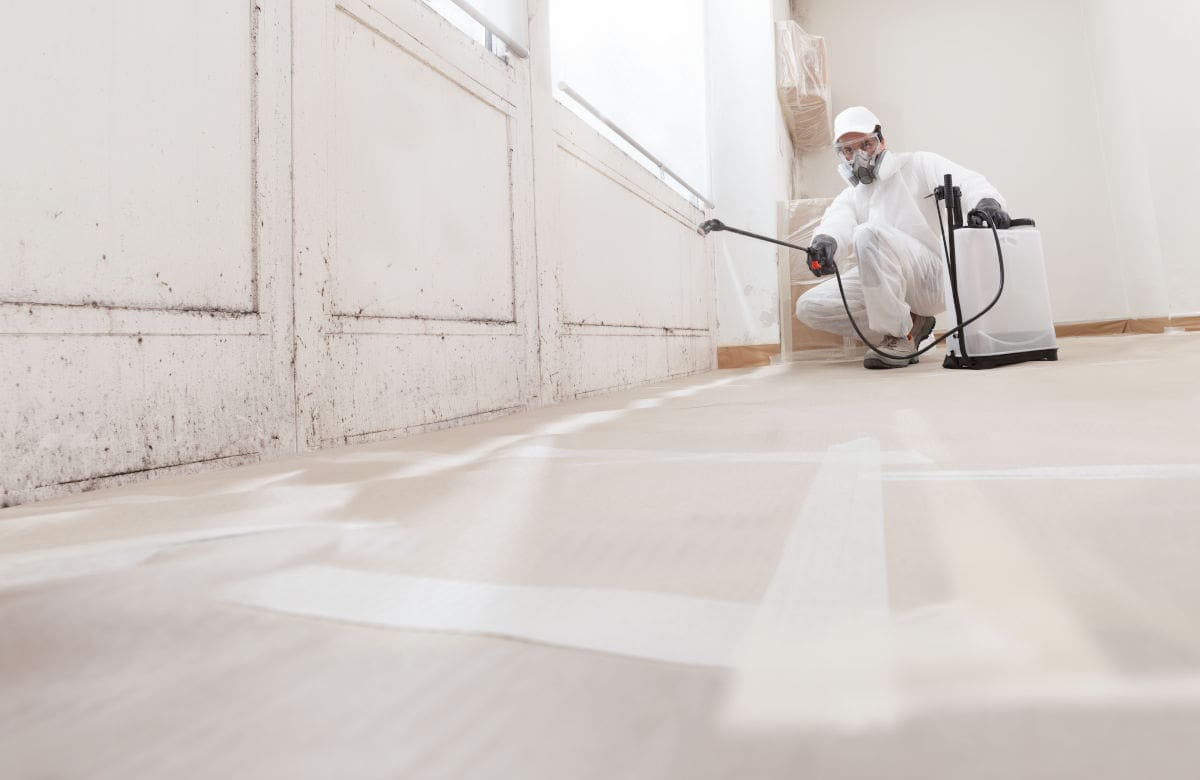
The process begins with in-house mold removal through our partner MOLD Pro USA, a trusted mold remediation specialist who handles thorough mold inspection, safe removal, proper containment, and treatment of affected surfaces. We work closely with MOLD Pro USA to ensure remediation is done right.
Step 2 – Medical-Grade, High-Performance Whole-Home Air Quality Systems (Our Specialty)
After mold removal is complete, we build custom clean air systems designed for your home and health needs. Our systems control temperature and humidity to eliminate conditions where mold thrives, filter out mold spores, bacteria, allergens, and contaminants, maintain optimal air quality throughout your home, and protect your family’s respiratory health long-term.
We specialize in medical-grade, high-performance whole-home systems built around staged filtration and humidity control for consistent results, which are custom-designed for residential use.
What Makes Our Clean Air Systems Medical-Grade?
Not every air purification product delivers the same level of performance. Many portable air cleaners and standard HVAC filters address only a portion of the air circulating through a home, leaving contaminants in other areas untreated. Our medical-grade systems are designed to improve air quality throughout the entire house by integrating advanced technologies directly into the HVAC system.
Multi-stage filtration begins with pre-filters that capture larger particles before air reaches hospital-grade HEPA filtration capable of trapping contaminants as small as 0.3 microns. That includes mold spores, pollen, bacteria, pet dander, smoke particles, and fine airborne debris that standard HVAC filters are not designed to capture. Maintaining indoor humidity between 40 and 45 percent helps create conditions that discourage mold growth while improving comfort and reducing condensation throughout the home.
Many systems also incorporate UV-C germicidal technology to help reduce airborne bacteria, viruses, and mold spores as air passes through the system. Combined with whole-home airflow management and properly designed ventilation, these technologies work together to create consistently healthier indoor air instead of treating individual rooms.
What Does Healthy Indoor Air Actually Look Like?
Most homeowners know clean air matters, but few know how to measure it. Healthy indoor air is about more than eliminating odors or replacing a furnace filter. It requires balancing humidity, filtration, ventilation, and airflow so contaminants are continually removed while new pollutants are kept from building up. Guidance from organizations such as the EPA and USDA gives homeowners useful benchmarks for evaluating the health of their indoor environment.
Several factors have the greatest impact on long-term indoor air quality:
- Relative humidity: Indoor humidity should remain between 30 and 50 percent, with our systems targeting an ideal range of 40 to 45 percent. Humidity above 60 percent encourages mold growth, dust mites, and bacteria, while very dry air can irritate the skin, eyes, and respiratory system.
- Fine particulate control: Airborne particles smaller than 2.5 microns present one of the biggest concerns for respiratory health. Medical-grade filtration capable of capturing particles as small as 0.3 microns offers a level of protection that standard HVAC filters cannot achieve.
- Balanced ventilation: Modern homes are built tighter than ever, which improves energy efficiency but also traps contaminants indoors. Controlled ventilation introduces filtered outdoor air while exhausting stale indoor air without sacrificing comfort.
- VOC reduction: Volatile organic compounds released by paints, flooring, cabinetry, adhesives, and household cleaners accumulate over time. Activated carbon filtration helps reduce these contaminants, improving overall indoor air quality.
The right solution depends on the home itself. Some homeowners already have central heating and cooling systems that can be upgraded with advanced filtration and humidity control. Others rely on heat pumps, ductless systems, or older HVAC equipment that requires a different approach. Every consultation begins by understanding your existing equipment, your home’s construction, and the concerns you’re experiencing before recommending a customized solution.
Equipment We Use for Medical-Grade Clean Air and Mold Prevention
Every medical-grade clean air system is built around equipment selected for reliability, precise airflow control, and long-term performance. Rather than relying on a single product, we integrate multiple components into one complete indoor air quality system that continuously manages filtration, humidity, and ventilation.
Our primary equipment partner is Trane, whose technology allows us to build systems capable of maintaining stable indoor conditions throughout New England’s changing seasons.
 Trane Hyperion air handlers: Variable-speed airflow helps maintain even temperatures while improving circulation and supporting advanced filtration and humidity control.
- Trane TruComfort multi-stage heat pumps: Longer, lower-capacity operating cycles improve comfort while offering better humidity management than traditional single-stage equipment.
- Trane Link remote monitoring: Connected monitoring allows system performance to be reviewed remotely while making adjustments when operating conditions change.
- Trane CleanEffects whole-home filtration: Advanced whole-house filtration captures extremely small airborne particles while staged pre-filtration helps extend filter life and maintain performance.
- Aprilaire dehumidifiers: Controlling humidity remains one of the most effective strategies for reducing mold risk after remediation. Aprilaire systems maintain stable moisture levels throughout the home.
- Custom Fresh Air Systems and ductwork cleanouts: Improved ventilation and clean ductwork help reduce recirculating contaminants while bringing filtered outdoor air into tightly sealed homes.
Each component is selected because it supports the overall performance of the complete system rather than operating independently.
Health Conditions That May Benefit From Cleaner Indoor Air
Improving indoor air quality can reduce many of the airborne triggers that contribute to chronic discomfort inside the home. While every individual responds differently, many homeowners notice meaningful improvements after reducing contaminants that continuously circulate through their HVAC system.
Medical-grade clean air systems may benefit households dealing with:
- Asthma: Reduce airborne triggers that contribute to asthma flare-ups.
- Seasonal and indoor allergies: Continuously remove pollen, dust, pet dander, and other allergens from circulating air.
- Mold sensitivity: Filter remaining airborne mold spores after remediation has been completed.
- Respiratory concerns: Improve air quality for individuals managing COPD, bronchitis, and other breathing conditions.
- Skin irritation: Reduce airborne bacteria and environmental factors associated with irritation.
- Fatigue and brain fog: Many homeowners report improved comfort after long-term exposure to poor indoor air is reduced.
- Chemical sensitivities: Activated carbon filtration helps reduce VOC exposure from household products and building materials.
Common Questions About Medical-Grade Clean Air Systems
Is mold remediation enough to solve indoor air quality problems?
Not always. Mold remediation removes existing contamination, but airborne spores, humidity concerns, and poor ventilation can continue affecting your home. A medical-grade clean air system helps support long-term mold prevention after remediation is complete.
How is a medical-grade air system different from a portable air purifier?
Portable units clean the air in one room. Whole-home systems integrate directly with your HVAC equipment, treating the air that circulates throughout the entire house while also managing humidity and ventilation.
Will these systems work with my existing HVAC equipment?
In many cases, yes. During your consultation, we evaluate your current heating and cooling equipment and recommend solutions that integrate with your existing system whenever appropriate.
How important is humidity control for mold prevention?
Maintaining indoor humidity between 40 and 45 percent is one of the most effective ways to discourage mold growth while creating a healthier indoor environment.
How often should a medical-grade clean air system be inspected?
Regular performance checks help verify that filtration, humidity control, and ventilation continue operating as designed. Ongoing maintenance also helps maximize equipment life and system effectiveness.
Building Healthier Homes Through Thoughtful Indoor Air Solutions
Hometown Heating & Air believes healthier homes begin with education, thoughtful planning, and solutions tailored to the people living inside them. Our partnership with MOLD Pro USA allows homeowners to move seamlessly from professional mold remediation into long-term prevention through advanced clean air technology, giving families a complete solution instead of addressing only part of the problem.
We take time to understand your concerns, explain how each component contributes to healthier indoor air, and design systems that fit your home’s unique needs. That personalized approach has become the foundation of how we help families improve comfort and indoor environmental health throughout New England.
Helping Families Breathe Easier Across New England
Our medical-grade clean air and mold prevention systems serve homeowners throughout New Hampshire, Maine, Massachusetts, and Vermont. From mountain homes managing seasonal humidity to coastal properties dealing with moisture intrusion, we design systems that address the unique indoor air quality challenges found throughout the Northeast.
Every installation is customized around the home itself, creating healthier indoor environments that continue performing long after installation is complete.
Invest in Cleaner Air for Years to Come
Healthy indoor air doesn’t happen by accident. It comes from controlling humidity, improving ventilation, capturing microscopic contaminants, and creating an environment where mold and airborne pollutants are less likely to thrive. Hometown Heating & Air designs medical-grade clean air systems that help homeowners create healthier living spaces through proven technology, thoughtful system design, and long-term support.
Call (603) 496-1009 today to schedule your consultation or contact us online to learn how a customized medical-grade clean air system can help protect your home and your family’s health for years to come.